

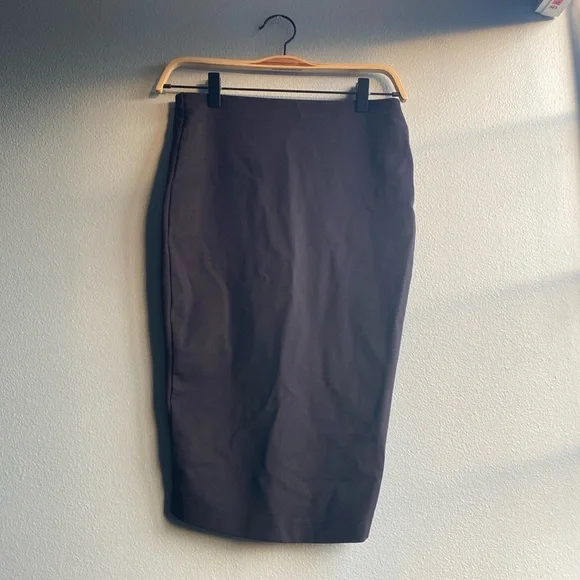
dip Women’s Business Pencil Skirt
- Size XS
- Stretchy waistband
- Slit in back
- Black color
- 25” long
$20.00
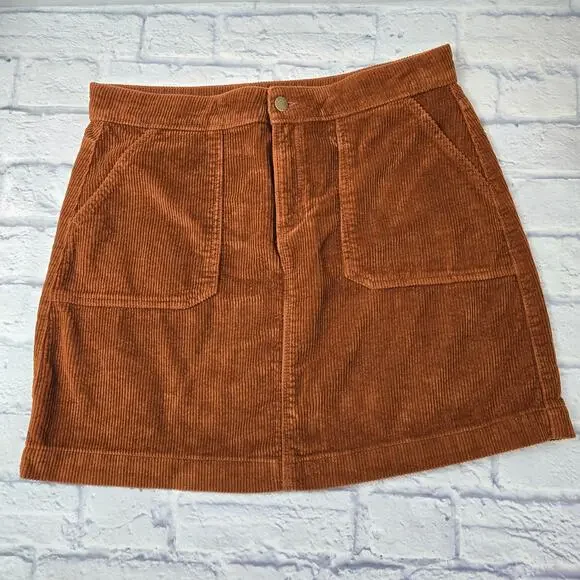
DIP Wide Wale Corduroy Skirt Copper Rust size 14 Acadamia
- DIP wide wale corduroy skirt
- Copper color
- Rectangular patch front pockets
- Back yoke
- Button & zipper closure
- Size 14
- 100% cotton
- Waistband approximately 18.25″
- Hip approximately 22.5″
- Length approximately 18.75″
- Very good pre-owned condition, no stains or flaws
$19.00
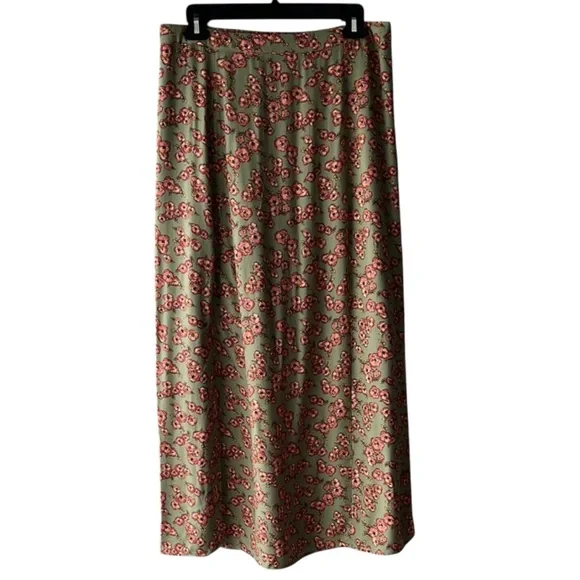
Dip Green Floral Lined Bohemian Peasant Maxi Skirt NWT Dip Large Festival EUC
- Dip Green Floral Lined Bohemian Peasant Maxi Skirt NWT Dip Large Festival EUC
- This maxi skirt by Dip features a flowing A-line silhouette with elegant pleats, perfect for casual or resort wear. The skirt showcases a warm tan base with striking red accents, creating a vibrant yet sophisticated look. Its lightweight fabric ensures comfort and ease, making it an ideal choice for relaxed outings.
$25.00
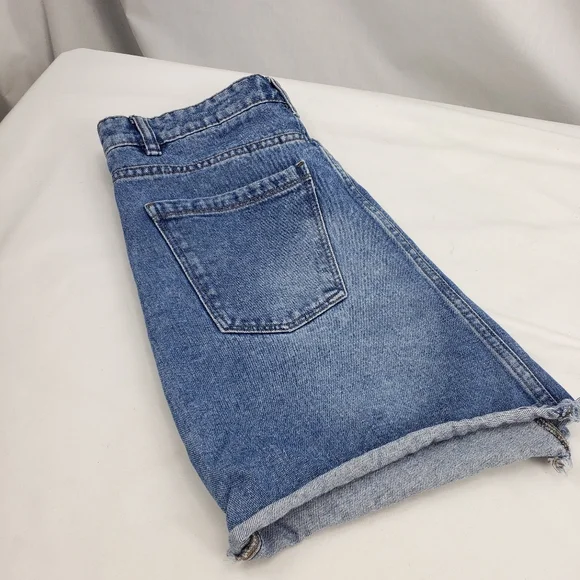
Dip Blue Jean Skirt Size 5
- Dip Blue Jean Skirt Size 5
- Bundle 2 or more items and save!
$8.00

Dip woman sporty skirt size XL pull on elastic back black casual button pockets
- Dip woman sporty skirt size XL pull on elastic back black casual button pockets
- Gently worn
- Xl
- Casual
- Sporty
- Pockets
- Drawstring
- Black
- Waist 18-21
- Length 19
$16.00
How I Discovered My Favorite Fashion Staple and Why You Need One Too
Let me take you back to that fateful Saturday afternoon when I was mindlessly scrolling through my Instagram feed. There it was—a stunning asymmetrical skirt with a graceful dip that instantly caught my eye. I remember thinking, “What is this magical piece and why don’t I own one yet?” That, my friends, was my first encounter with what I now consider an absolute wardrobe essential: the dip skirt.
Three years and seven dip skirts later, I’ve become something of an unofficial expert on this versatile fashion piece. From budget-friendly finds to investment pieces, casual outings to formal events, I’ve worn dip skirts in nearly every scenario imaginable. And today, I’m sharing everything I’ve learned along the way to help you navigate your own dip skirt journey.
Whether you’re a fashion enthusiast looking to expand your collection or someone who has never heard of a dip skirt before (don’t worry, we’ve all been there!), this comprehensive guide will walk you through everything you need to know about finding, styling, and loving your perfect dip skirt. So grab your favorite beverage, get comfortable, and let’s dive into the wonderful world of dip skirts!
What Exactly Is a Dip Skirt? Understanding the Unique Silhouette
Before we get into the shopping details, let’s clarify what makes a dip skirt so special. A dip skirt features an asymmetrical hemline that’s higher on one side than the other, creating a beautiful cascading effect that adds movement and drama to any outfit. Unlike a standard asymmetric skirt, the dip skirt’s hemline typically follows a curved or diagonal line rather than a straight cut.
My first dip skirt was a flowy black number with a dramatic side dip. I remember standing in front of the mirror, twirling around and watching how the fabric moved with me. That’s the magic of a dip skirt—it transforms even the simplest movement into something graceful and eye-catching.
The beauty of this design lies in its ability to flatter virtually every body type. The asymmetrical cut naturally draws the eye downward, creating a lengthening effect that works wonders for petite frames (like mine), while the flowing fabric skims over areas you might want to downplay. For taller individuals, a dip skirt with a more dramatic drop can create a stunning statement piece that showcases your height beautifully.
I’ve noticed that dip skirts generally fall into three main categories:
- The subtle dip: Features a slight asymmetry that’s noticeable but not dramatic—perfect for office settings or more conservative environments.
- The moderate dip: Shows a clearer asymmetrical line that might be 4-6 inches higher on one side—versatile enough for both casual and semi-formal occasions.
- The dramatic dip: Displays a bold asymmetry that might rise to mid-thigh on one side while extending to ankle length on the other—ideal for making a fashion statement.
I own variations of all three, and trust me when I say there’s a time and place for each!
Versatility Queen: Formal or Casual? (Spoiler: Both!)
One of the questions I get asked most frequently is whether dip skirts work for formal events or casual outings. My answer is always an enthusiastic “Yes to both!” The versatility of dip skirts is precisely what made me fall in love with them in the first place.
For formal occasions, I’ve worn my silk black dip skirt with a fitted blouse, statement jewelry, and heels to weddings and upscale dinner parties. The asymmetrical hemline adds an unexpected twist to an otherwise classic outfit, making it interesting without being too avant-garde.
Last summer, I attended my cousin’s garden wedding in a champagne-colored satin dip skirt paired with a delicate lace top and nude heels. The compliments were endless, and several guests asked where they could find a similar skirt!
For casual everyday wear, I regularly pair my cotton or jersey dip skirts with simple t-shirts, denim jackets, and white sneakers. The skirt does all the heavy lifting style-wise, allowing the rest of the outfit to remain effortlessly simple.
My weekend farmer’s market uniform last fall consisted of a rust-colored dip skirt, a simple cream sweater, and ankle boots. I felt put-together but comfortable—the perfect balance for running errands while still feeling stylish.
What I’ve found is that the formality often depends more on the fabric and styling than the cut itself. A dip skirt in luxurious silk or satin instantly reads as evening-appropriate, while the same silhouette in cotton or jersey feels perfect for daytime casual wear.
Fabric Matters: Materials That Make the Magic Happen
Speaking of fabrics, let’s talk about the materials commonly used for dip skirts and how they affect the overall look and wearability.
In my extensive (some might say excessive) dip skirt collection, I’ve found that certain materials work better than others for achieving that perfect drape and movement that makes these skirts so special.
The material of your dip skirt significantly impacts not only how it looks but also how it feels, moves, and functions in various settings and seasons.
Here’s my breakdown of common dip skirt materials:
Flowy Fabrics
- Chiffon: Light and airy, creates a dreamy, floating effect ideal for romantic looks. My purple chiffon dip skirt catches the breeze beautifully but requires a slip underneath as it’s semi-sheer.
- Silk: Luxurious with a subtle sheen, perfect for formal events. My silk dip skirt was an investment piece that I’ve worn to countless special occasions over the years.
- Satin: Similar to silk but often more affordable, with a more pronounced shine. Great for evening events or when you want to add some glamour to your look.
Structured Fabrics
- Cotton: Breathable and casual, holds its shape well but with less dramatic movement. My striped cotton dip skirt is my go-to for summer weekends.
- Linen: Lightweight with a beautiful natural texture, ideal for hot weather. Wrinkles easily (which I’ve learned to embrace as part of its charm).
- Denim: Offers a more casual, edgy take on the dip skirt. Surprisingly versatile—I’ve dressed mine up with a silky blouse and down with a graphic tee.
Stretch Fabrics
- Jersey: Ultra-comfortable with a nice drape, perfect for everyday wear. My black jersey dip skirt might be the most worn item in my wardrobe.
- Ponte knit: Offers more structure than jersey while maintaining comfort. Great for office settings when you want comfort without sacrificing professionalism.
Seasonal Fabrics
- Wool blend: Provides warmth for winter while maintaining the characteristic drape. My camel wool-blend dip skirt is my cold-weather staple.
- Velvet: Adds rich texture and warmth for fall and winter events. Absolutely stunning for holiday parties!
Remember that the weight of the fabric directly affects how the dip hemline will fall. Lighter fabrics will create more movement and a more dramatic cascading effect, while heavier fabrics will result in a more structured, architectural look.
From personal experience, I find that mid-weight fabrics like medium silk, satin, or quality jersey offer the most versatile drape—substantial enough to hold their shape but light enough to create that beautiful movement that makes dip skirts so special.
Where to Shop: Finding Your Perfect Dip Skirt
When I first fell in love with dip skirts, I wasn’t sure where to start looking. After years of trial and error, I’ve discovered reliable sources for every budget and style preference. Here’s my insider guide to where you can find your perfect dip skirt:
Department Stores
Department stores like Nordstrom, Macy’s, and Bloomingdale’s usually carry a variety of dip skirts across different price points. The advantage here is being able to try on multiple styles and sizes in one visit. I found my first dip skirt at Nordstrom during their anniversary sale—a lucky find that sparked my obsession.
Specialty Retailers
Stores like Anthropologie, Free People, and & Other Stories consistently offer unique dip skirt designs with interesting patterns and details. These retailers tend to focus on quality fabrics and distinctive designs, making them perfect for finding a statement piece. My emerald green velvet dip skirt from Anthropologie has been a holiday party staple for three seasons running.
Budget-Friendly Options
If you’re not ready to commit to a higher-priced option, retailers like H&M, Zara, and ASOS offer trendy dip skirt options at more accessible price points. These are great places to experiment with the style before investing in a higher-end piece. My floral summer dip skirt from ASOS cost less than $40 and has received countless compliments.
Online Boutiques
Smaller online boutiques often carry unique dip skirt designs you won’t find elsewhere. Websites like Etsy also offer handmade and vintage options for truly one-of-a-kind pieces. One of my favorite dip skirts came from a small online boutique that specializes in sustainable fashion—it’s made from deadstock fabric and feels completely unique.
Secondhand and Vintage
Don’t overlook thrift stores, consignment shops, and online platforms like Poshmark or ThredUp. I’ve found some incredible vintage dip skirts with unique details you simply can’t find in current retail offerings. Plus, shopping secondhand is budget-friendly and environmentally conscious!
Designer Options
For investment pieces, designers like Cecilie Bahnsen, Jacquemus, and Issey Miyake create architectural dip skirts with incredible craftsmanship and unique details. These come with higher price tags but offer distinctive designs and superior quality. I saved for months for my designer dip skirt, and it’s been worth every penny—the construction and fabric quality are unmatched.
A shopping tip I’ve learned: dip skirts might be listed under various names including “asymmetrical skirts,” “high-low skirts,” or “handkerchief hem skirts,” so be sure to search using these terms as well!
The Length Question: From Mini to Maxi and Everything Between
When I began my dip skirt journey, I was pleasantly surprised to discover they come in various lengths, each offering its own unique look and versatility. Let me walk you through the options:
Mini Dip Skirts
These typically hit mid-thigh at their shortest point and just above the knee at their longest. They’re playful and perfect for showing off your legs while still maintaining the distinctive asymmetrical silhouette. I wear my denim mini dip skirt constantly during summer—it pairs perfectly with sandals and a simple tank top for a casual yet put-together look.
Midi Dip Skirts
This is perhaps the most versatile length, with the shorter side typically hitting just above or at the knee and the longer side extending to mid-calf. My collection heavily favors this length because it works for nearly any occasion. My black midi dip skirt has taken me from office meetings (paired with a blazer and pumps) to weekend brunches (with a casual tee and sandals).
Maxi Dip Skirts
The dramatic option—these typically feature a hemline that ranges from knee-length at its highest point to floor-length at its lowest. They create a stunning silhouette that’s particularly flattering for taller frames but can work for anyone who loves a statement piece. I’m 5’4″ and was initially hesitant about maxi lengths, but my burgundy maxi dip skirt has become one of my favorite pieces for date nights and special events.
High-Low Dip Skirts
While all dip skirts feature some version of a high-low hemline, some designs emphasize this contrast more dramatically, with a significant difference between the highest and lowest points. These create a particularly eye-catching effect when you’re in motion. My most dramatic high-low dip skirt rises to just above my knee in front while extending almost to my ankles in back—it literally stops traffic when I wear it!
When considering length, think about:
- Your height (shorter individuals might prefer mini or midi lengths to maintain proportion, while taller frames can carry dramatic maxi lengths beautifully)
- The occasions where you’ll wear the skirt most often
- Your comfort level with showing leg
- The shoes you plan to pair with the skirt
Personally, I’ve found that having at least one option in each length category provides maximum versatility for different occasions and seasons. That said, if you’re just starting your collection, a midi-length dip skirt offers the most styling options across various settings.
A Rainbow of Options: Colors and Patterns to Consider
When I bought my first dip skirt—a safe, versatile black—I had no idea how quickly I’d be drawn to explore the wide world of colors and patterns available. Now, my collection spans the spectrum from neutrals to vibrant statement pieces.
Here’s my take on navigating the color and pattern options for your dip skirt collection:
Neutral Territory
If you’re new to dip skirts or prefer versatile pieces that coordinate easily with your existing wardrobe, consider starting with neutrals:
- Black: My first and still most-worn dip skirt. It transitions seamlessly from office to evening and pairs with literally everything.
- Navy: Slightly softer than black but equally versatile. My navy silk dip skirt works beautifully for business casual settings.
- Beige/Tan: Creates a sophisticated, understated look that’s perfect for warm weather. My champagne-colored satin dip skirt is my go-to for summer weddings.
- Gray: An underrated neutral that pairs beautifully with both pastels and jewel tones. My gray wool-blend dip skirt is a fall/winter staple.
Color Play
Once you’re comfortable with the style, experimenting with color adds personality and versatility to your collection:
- Jewel tones: Emerald, sapphire, ruby, and amethyst create rich, sophisticated looks that work year-round. My emerald green velvet dip skirt makes me feel like royalty every time I wear it.
- Pastels: Soft pink, lavender, mint, and sky blue offer a romantic, feminine aesthetic perfect for spring and summer. My blush pink dip skirt pairs beautifully with both white and navy tops.
- Bold brights: Vibrant red, electric blue, sunny yellow, or fuchsia make for eye-catching statement pieces. I was initially hesitant about my bright coral dip skirt, but it’s become a favorite mood-lifter on dreary days.
- Seasonal shades: Consider rust, olive, or mustard for fall; icy blue or silver for winter; floral pastels for spring; and tropical brights for summer. My rust-colored linen dip skirt is perfect for early fall paired with boots and a light sweater.
Pattern Play
Patterns add visual interest and can actually be surprisingly versatile:
- Florals: From delicate vintage-inspired prints to bold, modern botanicals, floral dip skirts offer feminine charm with varying degrees of drama. My small-print floral dip skirt works for both office settings and weekend outings.
- Stripes: Whether horizontal, vertical, or diagonal, stripes can create interesting visual effects with the dip hemline. My diagonally striped dip skirt creates an especially dynamic look when in motion.
- Polka dots: Playful yet classic, polka dots add whimsy without being too loud. My navy and white dotted dip skirt pairs with everything from denim jackets to silk blouses.
- Abstract prints: Modern abstract patterns can turn your dip skirt into a wearable piece of art. My watercolor-inspired dip skirt always generates conversations and compliments.
- Ombré: Gradual color transitions complement the flowing lines of a dip skirt beautifully. My sunset ombré dip skirt (transitioning from deep orange to pale yellow) is a true statement piece.
When selecting colors and patterns, consider your existing wardrobe, your color preferences, and the versatility you’re seeking. I’ve found that having a foundation of 2-3 neutral dip skirts complemented by a few more colorful or patterned options offers the best balance of versatility and interest.
Remember that the asymmetrical hemline already creates visual interest, so if you’re new to dip skirts, you might want to start with solid colors before venturing into patterns. That said, don’t be afraid to experiment—some of my most-complimented outfits feature my boldest dip skirts!
Inclusive Fashion: Dip Skirts for Every Body Type
One aspect I absolutely love about dip skirts is their inclusive nature. While some fashion trends seem designed only for certain body types, dip skirts truly offer flattering options for everyone. As someone who has fluctuated between sizes over the years, I especially appreciate this versatility.
The good news is that many retailers have recognized the universal appeal of dip skirts and offer them in an extensive range of sizes. Here’s what I’ve observed in my shopping experiences:
Size Range Availability
- Mainstream retailers: Stores like Nordstrom, Macy’s, and online retailers like ASOS typically offer dip skirts from XS through XXL (roughly US sizes 0-18).
- Plus-size specialists: Retailers like Torrid, Lane Bryant, and Eloquii carry beautiful dip skirt options specifically designed for sizes 12-32.
- Inclusive brands: Companies like Universal Standard offer dip skirts in sizes 00-40, ensuring options for nearly everyone.
- Petite and tall options: Some retailers offer petite versions (for those 5’4″ and under) and tall versions (for those 5’9″ and above) with proportionally adjusted rise and hemlines.
Fit Considerations
Different body types may want to consider specific features when shopping for dip skirts:
- Apple shapes: Look for dip skirts with smooth waistbands or those that sit slightly below the natural waist. Styles with the dip positioned to the side rather than the front create a flattering diagonal line.
- Pear shapes: Dip skirts naturally complement this shape by balancing proportions. A-line styles with a flowing drape work particularly well.
- Hourglass figures: Dip skirts that define the waist highlight this body type beautifully. Consider styles with a fitted waistband or belt loops.
- Rectangle shapes: Dip skirts with gathering or pleating at the waist can create the illusion of curves.
- Petite frames: Look for dip skirts where the longest point doesn’t overwhelm your height—midi lengths often work best. Also consider high-waisted styles to elongate the legs.
- Tall figures: You can carry off dramatic floor-length dips beautifully! Take advantage of this to create stunning, flowing lines.
My personal experience as someone with a pear-shaped figure is that dip skirts have been universally flattering at both my lowest and highest weights. The asymmetrical hemline naturally creates visual interest that draws attention away from areas I might feel self-conscious about while highlighting movement in a beautiful way.
When shopping online, I always recommend checking the size chart specific to that brand (measurements can vary significantly between retailers) and reading customer reviews when available. Many reviewers will mention their height and size, which can help you determine if a particular dip skirt might work for your body type.
Remember that the right fit should feel comfortable while sitting, standing, and walking. The waistband should stay in place without digging in, and the fabric should drape beautifully without clinging uncomfortably.
Price Points: What to Expect When Shopping for Dip Skirts
When I began building my dip skirt collection, I quickly discovered they’re available at virtually every price point—from budget-friendly fast fashion to high-end designer pieces. Understanding the general price ranges and what you get at each level can help you make informed purchasing decisions.
Budget-Friendly Options ($20-$50)
At this price point, you’ll find dip skirts primarily at fast fashion retailers like H&M, Forever 21, Old Navy, and ASOS. My first dip skirt was a $30 find from a fast fashion chain that allowed me to try the style without a major investment.
What to expect:
- Synthetic fabrics like polyester or rayon
- Trendy colors and patterns that follow current season aesthetics
- Simpler construction details
- Generally good for 1-2 seasons of regular wear
These options are perfect for testing whether you enjoy wearing the dip skirt style or for trying bolder colors and patterns you might not otherwise consider. My bright yellow budget dip skirt was a surprisingly versatile summer piece that I wouldn’t have risked purchasing at a higher price point.
Mid-Range Options ($50-$150)
This is where you’ll find the sweet spot of quality and affordability from retailers like Madewell, Anthropologie, Banana Republic, and specialty boutiques. The majority of my dip skirt collection falls into this category.
What to expect:
- Better quality fabrics, including cotton, linen blends, and some natural fibers
- More thoughtful construction details like lined skirts and better finishing
- More comfortable, durable waistbands
- Pieces that last for multiple years with proper care
My most-worn dip skirt falls into this category—a $98 midi dip skirt in a modal blend that drapes beautifully and has survived countless washings while maintaining its shape and color.
Premium Options ($150-$300)
At this price range, you’ll find higher-end contemporary brands available at department stores like Nordstrom and Bloomingdale’s, as well as from direct-to-consumer premium brands.
What to expect:
- Higher quality natural fabrics like silk, wool crepe, and premium cotton
- Excellent construction with attention to detail
- Unique design elements not found in mass-market options
- Durability that allows the piece to remain in your wardrobe for many years
I saved up for a silk dip skirt in this price range for my 30th birthday, and it remains one of my most treasured wardrobe items three years later—the drape is incomparable, and it transitions from office to evening seamlessly.
Luxury/Designer Options ($300+)
Designer dip skirts from luxury brands represent an investment purchase that, with proper care, can last for decades.
What to expect:
- Exceptional fabrics, often exclusive to the brand
- Meticulous construction, sometimes with hand-finished details
- Innovative design elements and silhouettes
- Perfect draping and movement
- Timeless appeal that transcends seasonal trends
I own one designer dip skirt that I purchased during a rare sale, and the difference in construction and fabric quality is immediately apparent. The inner waistband is contoured for comfort, the lining is breathable silk rather than polyester, and the drape of the fabric creates a silhouette that simply can’t be achieved with less expensive materials.
Value Considerations
When determining your budget for a dip skirt, I recommend considering:
- Cost per wear: A more expensive, versatile piece that you’ll wear weekly may ultimately cost less per wear than a cheaper item worn only occasionally.
- Longevity needs: How long do you want this piece to last in your wardrobe? Trend-focused or statement pieces might be worth purchasing at lower price points, while wardrobe staples merit higher investment.
- Material preferences: If you prioritize natural fibers or sustainable materials, you may need to budget accordingly.
- Care requirements: Higher-end pieces often require more careful maintenance, including dry cleaning for certain fabrics. Factor these ongoing costs into your budget.
Personally, I’ve found the best strategy is maintaining a mix—a few higher-quality investment pieces in neutral colors and versatile fabrics, complemented by more affordable options in trendier colors or patterns. This approach has given me a dip skirt collection that works for virtually any occasion while staying within a reasonable budget.
Seasonal Versatility: Wearing Your Dip Skirt Year-Round
One of the most practical advantages of dip skirts is their surprising adaptability across seasons. When I first fell in love with the style, I worried it might be limited to warmer months, but I’ve since discovered creative ways to style my collection throughout the year.
Summer Styling
Dip skirts truly shine in summer, when their flowing movement adds both visual interest and practical comfort in the heat.
My summer dip skirt essentials:
- Lightweight fabrics: Cotton, linen, rayon, and chiffon breathe well and create beautiful movement.
- Brighter colors and prints: I embrace floral patterns, tropical hues, and lighter neutrals.
- Paired with: Simple tank tops, fitted t-shirts, cropped tops (for casual settings), lightweight blouses, and breezy camisoles.
- Footwear: Sandals, espadrilles, canvas sneakers, or bare feet on the beach!
My favorite summer dip skirt memory is wearing a flowy white cotton version over my swimsuit at a beach wedding. As the evening cooled, it provided just enough coverage while still feeling appropriate for the setting.
Fall Transitions
The asymmetrical hemline of dip skirts creates interesting layering opportunities perfect for unpredictable fall weather.
My fall dip skirt approach:
- Mid-weight fabrics: Light wool blends, heavier cotton, corduroy, and light denim work beautifully.
- Rich colors: I transition to burgundy, forest green, mustard, rust, and deeper blues.
- Paired with: Light sweaters, denim jackets, fitted blouses, and light cardigans.
- Footwear: Ankle boots, loafers, and closed-toe flats become my go-to options.
- Layering: Adding tights underneath as temperatures drop extends wear into cooler days.
Last fall, I practically lived in my rust-colored corduroy dip skirt paired with a cream sweater and brown ankle boots—a combination that worked for everything from office days to weekend apple picking.
Winter Warmth
Contrary to what I initially thought, dip skirts can be wonderfully practical in winter with the right styling approaches.
My winter dip skirt strategy:
- Heavier fabrics: Wool, wool blends, heavy knits, velvet, and thicker satins provide both warmth and beautiful drape.
- Rich, deep colors: Emerald, navy, black, burgundy, and plum dominate my winter dip skirt collection.
- Paired with: Turtlenecks, chunky sweaters, fitted blazers, and even thin puffer vests.
- Layering essentials: Thermal or fleece-lined tights, tall boots, and sometimes even thin leggings underneath for extra cold days.
- Additional warmth: Longer cardigans and coats that work with the asymmetrical hemline.
One of my favorite winter looks is my heavy wool blend dip skirt in deep green paired with a black turtleneck, black tights, and knee-high boots—warm, professional, and much more interesting than standard cold-weather office attire.
Spring Refresh
Spring is when dip skirts really come into their own, offering practical solutions for unpredictable temperatures and transitional weather.
My spring dip skirt favorites:
- Versatile fabrics: Medium-weight cotton, lightweight denim, silk blends, and jersey adapt to changing temperatures.
- Fresh colors: Pastels, bright jewel tones, and patterns featuring botanical elements rotate into my wardrobe.
- Paired with: Light cardigans, denim jackets, three-quarter sleeve tops, and simple blouses.
- Footwear transitions: Moving from closed shoes to open options as temperatures warm—ballet flats, loafers, and eventually sandals.
This past spring, my lavender silk-blend dip skirt became my workweek staple, paired with a simple white blouse and nude flats—professional enough for the office but with a seasonal freshness that lifted my mood.
Year-Round Winners
Some dip skirts in my collection transcend seasonal boundaries with the right styling adjustments:
- My black jersey dip skirt works with sandals and a tank in summer, with a sweater and boots in winter, and everything in between during transitional seasons.
- My navy blue midi dip skirt in a medium-weight fabric pairs with literally everything in my closet across all seasons.
- My denim dip skirt transitions from summer (with a bright t-shirt and sandals) to fall (with a light sweater and ankle boots) with ease.
The key to maximizing seasonal versatility is choosing fabrics with appropriate weight, investing in good layering pieces, and considering how the length works with seasonal footwear. For year-round options, medium-weight fabrics in versatile colors offer the most flexibility.
Care and Maintenance: Keeping Your Dip Skirt Looking Fresh
After investing in several dip skirts, I quickly learned that proper care makes a significant difference in how long they maintain their shape, color, and overall appearance. Here’s what I’ve learned about caring for different types of dip skirts:
Reading Care Labels
First and foremost, always check the care label inside your dip skirt! Manufacturers provide specific instructions based on the fabric composition and construction details. I’ve found that following these guidelines extends the life of my skirts significantly.
Washing Guidelines by Fabric Type
Different materials require different approaches:
- Cotton and Linen: Most cotton and linen dip skirts can be machine washed on a gentle cycle with cold water and mild detergent. To prevent wrinkles, I remove mine from the dryer while still slightly damp and hang to finish drying.
- Synthetics (Polyester, Rayon): Usually machine washable on gentle cycle in cold water. I use a mesh laundry bag to prevent snagging and hang to dry to maintain shape.
- Silk and Satin: These luxurious fabrics generally require dry cleaning, though some washable silks can be hand washed in cold water with gentle detergent. I learned this the hard way after machine washing a silk-blend dip skirt that promptly lost its sheen and developed water spots.
- Wool and Cashmere Blends: Dry clean only for most, though some wool blends can be hand washed with special wool detergent. Always lay flat to dry to maintain shape.
- Denim: Turn inside out before washing to preserve color, use cold water, and hang to dry to prevent shrinkage.
- Sequined or Embellished: Hand wash or dry clean only, depending on the embellishment type. My sequined dip skirt is strictly dry-clean only after I lost several sequins attempting to hand wash it.
Storage Solutions
Proper storage prevents unnecessary wrinkles and maintains the shape of your dip skirts:
- Hanging: For most dip skirts, especially those in flowy fabrics, hanging is ideal. I use skirt hangers with clips for lightweight fabrics and padded hangers for heavier materials.
- Folding: Some knit or jersey dip skirts may stretch if hung. These I fold carefully and store in drawers, making sure the folds don’t create permanent creases.
- Seasonal storage: For off-season dip skirts, I use breathable cotton storage bags rather than plastic to prevent moisture buildup while protecting from dust.
Wrinkle Management
The asymmetrical hem of dip skirts can make ironing challenging, but I’ve developed some strategies:
- For stubborn wrinkles in cotton or linen, I iron on appropriate heat setting while the garment is still slightly damp.
- For delicate fabrics, I hang the skirt in the bathroom during a hot shower—the steam often releases wrinkles without direct heat.
- A handheld steamer has been one of my best investments for maintaining dip skirts in fabrics that don’t respond well to ironing.
- For travel, I roll rather than fold my dip skirts to minimize creasing.
Stain Treatment
The varied hemline of dip skirts, especially longer styles, can make them prone to picking up dirt or stains along the bottom edge:
- I treat stains immediately with appropriate stain removers for the specific fabric.
- For hemline dirt on longer dip skirts, I’ve found that spot cleaning with a soft brush and mild soap works well for most fabrics.
- For white or light-colored dip skirts, occasional spot treatment with oxygen-based cleaners helps maintain brightness.
Extending Longevity
Small habits that have significantly extended the life of my dip skirts:
- Rotating between several skirts rather than wearing the same one repeatedly gives fabrics time to recover their shape.
- Addressing small issues promptly (loose threads, minor seam separations) prevents them from becoming bigger problems.
- For skirts with elastic waistbands, I never hang them by the waistband, which can cause the elastic to stretch out over time.
- I avoid over-washing—many dip skirts, especially in natural fibers, don’t need to be cleaned after every wear unless visibly soiled or worn in hot weather.
Through trial and error (and a few unfortunate laundry mishaps), I’ve learned that taking a few extra minutes to care properly for my dip skirts has saved me money in the long run by extending their wearable life significantly.
Styling Mastery: Creating Countless Looks with Your Dip Skirt
After building my dip skirt collection, the real fun began—discovering the seemingly endless styling possibilities this versatile piece offers. Here’s my guide to creating perfectly balanced outfits with dip skirts for any occasion:
Balancing Proportions
The asymmetrical hemline of a dip skirt creates visual interest at the bottom of your silhouette, which influences how you might style the rest of your outfit:
- With flowy dip skirts: I typically pair with more fitted tops to create balance. A silk dip skirt with dramatic movement works beautifully with a simple fitted t-shirt or tailored button-down.
- With more structured dip skirts: These can handle voluminous tops. My denim dip skirt pairs wonderfully with an oversized sweater or flowy blouse.
Top Pairings
The right top can completely transform the look and feel of a dip skirt:
- Simple t-shirts: Create an effortless casual look that lets the skirt take center stage. I wear my black dip skirt with a white tee and sneakers for weekend errands.
- Button-down shirts: Add polish for office-appropriate styling. Try both tucked and partially tucked approaches for different effects.
- Cropped tops: For casual or evening settings, a slightly cropped top with a high-waisted dip skirt creates a contemporary silhouette with just a hint of midriff.
- Bodysuits: Provide a sleek, tucked-in look without bunching. My go-to for evening events is a black bodysuit with my satin dip skirt.
- Sweaters and knits: Can be worn tucked, half-tucked, or loose depending on the skirt’s silhouette and the occasion. A chunky knit with a flowy dip skirt creates an appealing contrast in textures.
- Blouses: Silky or flowing blouses create a feminine, dressy look perfect for date nights or special events.
Layering Strategies
Layering adds dimension and practicality to dip skirt outfits:
- Jackets: Denim jackets create casual contrast with dressier dip skirts, while blazers add structure and professionalism.
- Cardigans: Long cardigans that follow the asymmetrical line of the skirt create a cohesive silhouette, while cropped cardigans define the waist.
- Vests: Add interesting layering without bulk—try a tailored vest with a dip skirt for an unexpected office look.
- Belts: Can completely transform the silhouette of a dip skirt outfit by defining the waist. I often add a statement belt to simple dip skirt and t-shirt combinations.
Footwear Pairings
Shoes dramatically influence the overall feel of a dip skirt outfit:
- Sneakers: Create an unexpected casual contrast with dressier dip skirts. My silk midi dip skirt paired with white leather sneakers is a favorite brunch outfit.
- Flat sandals: Perfect for effortless summer styling with lighter dip skirts.
- Ankle boots: Work beautifully with the asymmetrical hemline, especially for fall and winter looks.
- Heels: Elevate the entire look for more formal occasions or when you want to add polish. I never travel without my nude heels that pair with every dip skirt in my suitcase.
- Knee-high or over-the-knee boots: Create dramatic styling with shorter dip skirts or provide warmth with longer styles in winter.
Accessorizing
The right accessories complete a dip skirt outfit:
- Jewelry: With more dramatic dip skirts, I often keep jewelry minimal to avoid competition. For simpler styles, statement earrings or layered necklaces add interest.
- Scarves: Can add color near the face to balance the visual interest of the hemline.
- Bags: Crossbody styles work well for casual looks, while clutches complement dressier dip skirt outfits.
- Hats: Add personality to casual dip skirt ensembles—a wide-brimmed hat with a flowy maxi dip skirt creates a romantic summer silhouette.
Occasion-Specific Styling
Office/Professional:
- A navy midi dip skirt with a white button-down, structured blazer, and pointed-toe flats
- A subtle pinstripe dip skirt with a solid-colored silk blouse and low heels
- A black dip skirt with a fitted sweater, delicate necklace, and ankle boots
Casual Daytime:
- A cotton dip skirt with a graphic tee, denim jacket, and sneakers
- A denim dip skirt with a striped top and sandals
- A jersey dip skirt with a tank top and flip-flops for beach days
Evening/Date Night:
- A satin dip skirt with a lace camisole, leather jacket, and heels
- A velvet dip skirt with an off-shoulder top and statement earrings
- A sequined dip skirt with a simple black top and metallic accessories
Special Occasions:
- A floor-length dramatic dip skirt with a fitted top and statement jewelry
- A midi silk dip skirt with a coordinating silk blouse for elegant events
- A colorful patterned dip skirt with a solid top in a complementary color
The beauty of dip skirts lies in their chameleon-like ability to adapt to different styling approaches. I’ve found that the same black dip skirt that works for the office with a blazer transforms completely for evening with a change of top and accessories—making it one of the most versatile pieces in my wardrobe.
Silhouette Specifics: Flowing vs. Fitted Dip Skirts
One aspect of dip skirts that I’ve come to appreciate is the variety of silhouettes available, each creating a distinctly different look and feel. Understanding the difference between flowing and fitted dip skirt styles has helped me make better purchasing decisions based on my specific needs and preferences.
Flowing Dip Skirts
These feature generous fabric that creates movement and drama with every step. The flowing dip skirt has become my signature style for many occasions.
Characteristics of flowing dip skirts:
- Fabric requirements: Typically require more fabric to achieve the desired drape and movement.
- Movement: Create beautiful flowing lines when walking, often with a subtle swishing sound in certain fabrics.
- Silhouette impact: Add volume to the lower body in a flattering, dynamic way.
- Best for: Creating dramatic looks, summer comfort, romantic aesthetics, and hiding areas you might prefer not to emphasize.
- Common materials: Chiffon, silk, satin, light cotton, rayon, and other fabrics with good drape.
I particularly love flowing dip skirts for events where I’ll be photographed in motion—the fabric creates gorgeous lines that photograph beautifully. My purple chiffon flowing dip skirt is my go-to for outdoor summer weddings, as it catches the breeze in the most photogenic way!
Styling tip: Balance flowing dip skirts with more fitted tops to create proportion. A voluminous skirt paired with an equally voluminous top can overwhelm your frame.
Fitted Dip Skirts
These follow the contours of your body more closely while still featuring the characteristic asymmetrical hemline.
Characteristics of fitted dip skirts:
- Structure: Often have more defined seaming and sometimes feature stretch materials.
- Movement: Create cleaner lines with less fabric movement but still maintain the visual interest of the asymmetrical hem.
- Silhouette impact: Highlight curves while the asymmetrical hem adds visual interest.
- Best for: More conservative environments, office wear, situations where you want less fabric movement, and showcasing your shape.
- Common materials: Ponte knit, stretchy denim, cotton blends with some stretch, lightweight wool.
My fitted denim dip skirt has become a workweek staple paired with blouses and blazers—it offers the interest of an asymmetrical hem without the volume that might feel too dramatic for conservative office settings.
Styling tip: Fitted dip skirts can handle more volume on top, so feel free to pair with oversize sweaters, flowy blouses, or multiple layers.
In-Between: Semi-Fitted Dip Skirts
Many dip skirts fall somewhere between fully flowing and closely fitted, offering a nice balance of structure and movement.
Characteristics of semi-fitted dip skirts:
- Design features: Often fitted through the hip with more movement below.
- Versatility: Can be styled to lean more casual or more formal depending on pairings.
- Balance: Offer some body definition while still providing the characteristic movement of a dip skirt.
My most versatile dip skirt falls into this category—a navy semi-fitted style that’s structured enough for work but has enough movement to transition to evening events.
Choosing Between Flowing and Fitted
When deciding which style might work best for your needs, consider:
- Your lifestyle: Active lifestyles might find very flowing styles impractical for everyday wear.
- Body type preferences: Consider which areas you prefer to highlight or downplay.
- Typical settings: Consider where you’ll wear the skirt most often and which silhouette feels appropriate.
- Existing wardrobe: Which style would complement your current tops and accessories?
In building my collection, I’ve found value in having both styles—flowing dip skirts for creative settings, special events, and summer days, and more fitted options for work environments and situations where I want a cleaner silhouette.
Waistband Warriors: Elastic vs. Zipper and Other Closure Options
An often overlooked but crucial aspect of dip skirt selection is the waistband and closure style. Through my years of collecting and wearing dip skirts, I’ve discovered that the waistband significantly impacts both comfort and versatility. Here’s my breakdown of the options:
Elastic Waistbands
Elastic waistbands offer unparalleled comfort and adaptability, making them my preferred choice for casual and travel-friendly dip skirts.
Advantages:
- Comfort: Moves with your body and accommodates fluctuations in size throughout the day (or season).
- Ease: No fussing with closures makes them quick to put on and take off.
- Versatility: Often works with various styling approaches, from tucked-in to layered.
Considerations:
- Formality: Generally reads as more casual than fixed-waist options.
- Longevity concerns: Elastic can wear out over time, losing its stretch and requiring replacement.
- Silhouette impact: Creates a slightly more gathered look at the waist.
My jersey dip skirt with a wide elastic waistband has accompanied me on multiple international trips—comfortable enough for long flights and versatile enough for various destination activities.
Zippered Closures
Zippered dip skirts offer a cleaner silhouette and often a more polished, formal appearance.
Advantages:
- Sleek appearance: Creates a smooth line with no bunching.
- Stability: Stays precisely where you place it without shifting.
- Professional aesthetic: Often better suited for office environments.
Considerations:
- Less flexibility: Doesn’t accommodate size fluctuations.
- Comfort considerations: Can feel restrictive after large meals or during long seated periods.
- Layering implications: Works best with tops that can be tucked in, as the zipper may create bumps under untucked garments.
My silk dip skirt with a side zipper and hook-and-eye closure is my go-to for client meetings and formal events where I want a more structured, polished appearance.
Button Closures
Some dip skirts feature button closures, which add design interest while providing a customizable fit.
Advantages:
- Adjustability: Can be loosened or tightened slightly by moving to different buttons.
- Design interest: Buttons can be decorative elements that enhance the overall look.
- Durability: Generally long-lasting with proper care.
Considerations:
- Potential bulk: Multiple buttons can create bulk under fitted tops.
- Maintenance: Buttons may need occasional tightening or replacement.
My linen dip skirt with coconut shell buttons adds unique texture and interest to summer outfits, though I’ve found I need to periodically check and tighten the buttons.
Wrap Styles
Some dip skirts feature wrap closures secured by ties or buttons, offering both adjustability and a distinctive look.
Advantages:
- Custom fit: Adjusts perfectly to your measurements.
- Design interest: The wrap creates additional visual detail.
- Adaptability: Often accommodates small changes in size.
Considerations:
- Security concerns: Requires proper securing to prevent unwanted opening.
- Wind considerations: May need extra attention on windy days to stay in place.
My wrap-style dip skirt in a bold print has become a summertime favorite for its adjustability and the beautiful draping effect created by the wrap design.
Combination Approaches
Many of my favorite dip skirts feature combination closures for the best of both worlds:
- Half-elastic waistbands: Feature elastic only in the back portion, with a flat front for a cleaner look.
- Elastic with drawstring: Offers both the comfort of elastic and the adjustability of a drawstring.
- Zipper with stretch panels: Provides the polished look of a zippered closure with additional comfort from strategic stretch panels.
My most worn dip skirt features a half-elastic waistband—flat in front for a clean look when I tuck in blouses, with comfortable stretch in the back for all-day wear.
Choosing the Right Closure
When selecting a dip skirt, consider these waistband factors:
- Typical wearing duration: For long days, prioritize comfort with elastic or partially elastic options.
- Styling preferences: If you frequently tuck in tops, a cleaner waistband appearance might be priority.
- Body fluctuations: If your size varies, more forgiving closures offer extended wearability.
- Formality needs: More structured settings often call for cleaner, more tailored waistband options.
Through much trial and error, I’ve found that having a mix of closure types in my dip skirt collection serves me well for different occasions, outfits, and comfort needs.
I hope this comprehensive guide helps you find and fall in love with the perfect dip skirt for your style, body, and lifestyle! From casual weekend outings to special celebrations, a well-chosen dip skirt can become one of the most versatile and beloved pieces in your wardrobe—just as they have in mine.