

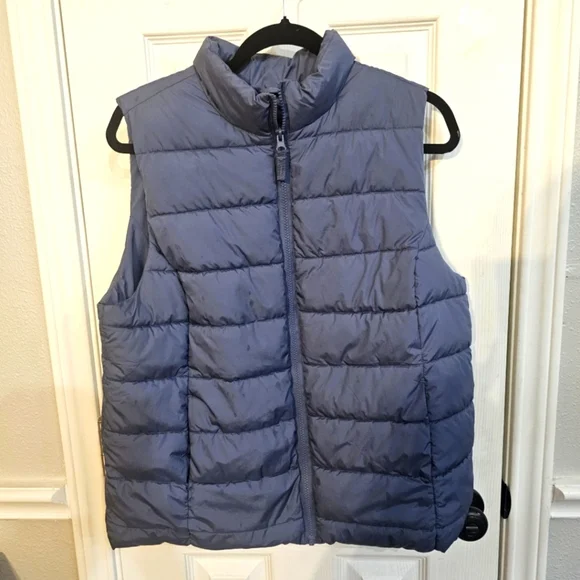
Puffer Vest by Dip
- Size XL
$12.00
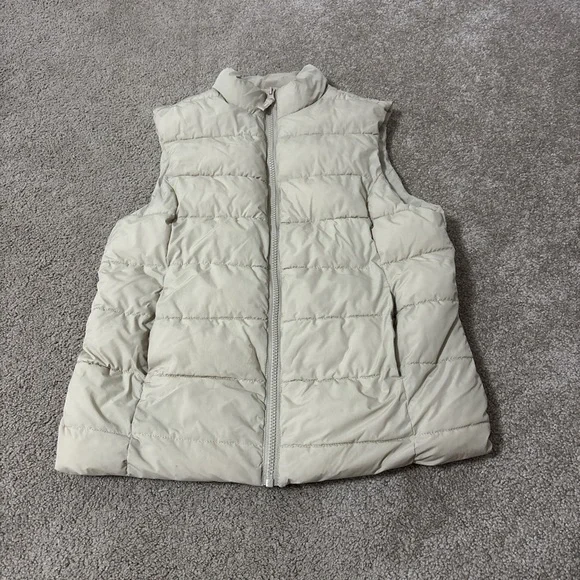
dip puffer vest
- never worn!
$4.00
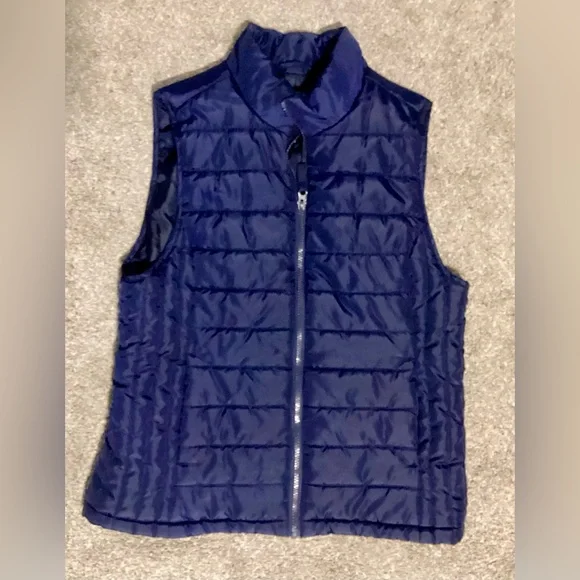
Dip Blue Quilted Vest with Stand-Up Collar
This blue quilted vest by Dip is perfect for layering, feat1uring a stand-up collar and a sleek finish. Its lightweight design ensures warmth and comfort during cool weather, making it an ideal choice for outdoor activities.
$5.00
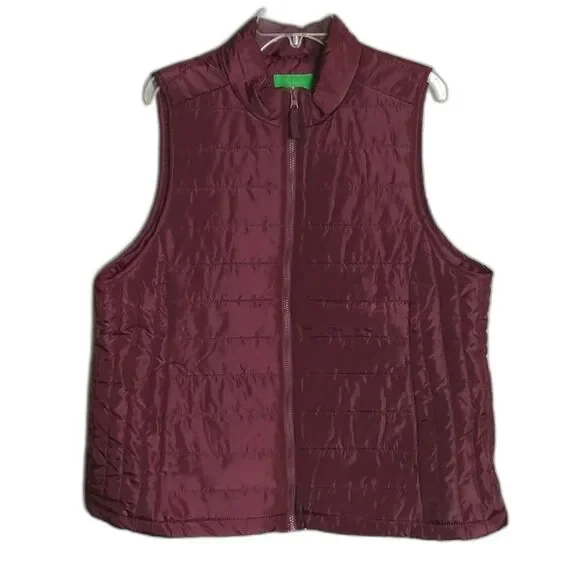
DIP Wine Cranberry Puffer Vest Women’s 1X
- excellent pre-owned condition. 2 slit pockets in front
- laying flat, approx measurements are:
- armpit to armpit: 23.5 in
- shoulder to hem length: 27 in
- please message me for additional measurements
$16.00
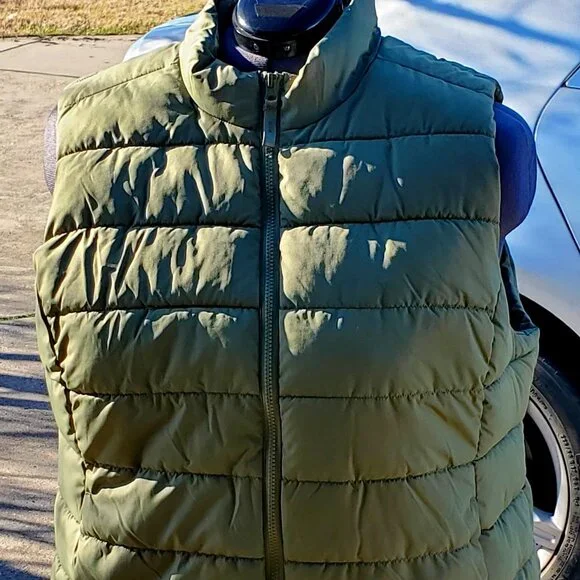
DIP Sage Green Puffer Vest
- Wrap up in the cozy comfort of this DIP Sage Green Puffer Vest, a perfect layering piece for those crisp days. Crafted with a resilient polyester outer shell, this vest promises durability and ease of maintenance. Designed with a plus-size fit in mind, it offers ample room for a flattering silhouette in a size 3XL. The vest features a timeless quilted style, ensuring both warmth and a touch of elegance. Its versatile sage green hue makes it an easy match with a variety of outfits, whether you’re heading out for a casual walk or layering for a day at the office. Stay snug and stylish with this chic addition to your wardrobe. BONUS…There are pockets.
$20.00
From Workout Warrior to Fashion Forward: Everything You Need to Know About the Versatile Dip Vest
When I first encountered a dip vest at my local gym three years ago, I’ll admit I was completely baffled. Was it a weighted vest? A fashion statement? Some kind of specialized equipment I’d somehow missed in my decade of fitness enthusiasm? Fast forward to today, and I can’t imagine my workout routine without one. After countless hours researching, testing, and sweating in various models, I’m excited to share everything I’ve learned about these game-changing fitness accessories.
If you’re serious about taking your upper body strength to the next level, a high-quality dip vest is one of the most valuable investments you can make for your fitness journey.
Let’s dive into the world of dip vests together, exploring everything from the basics to the finer details that will help you find your perfect match.
What Exactly Is a Dip Vest?
Before we get too deep, let’s clarify what we’re talking about. A dip vest is a specialized fitness garment designed primarily to enhance dip exercises – those challenging movements where you suspend yourself between parallel bars and lower and raise your body using your arms. Traditional dips are fantastic for building strength in your chest, shoulders, and triceps, but once you master bodyweight dips, you need additional resistance to continue progressing.
This is where the dip vest comes in. Unlike standard weighted vests that distribute weight across your torso, dip vests are specifically engineered to securely hold weight plates while allowing full range of motion during dipping exercises. The weight hangs from the vest, typically at your midsection, creating additional resistance without restricting your movement.
I remember my first attempt using a makeshift solution – literally hanging a dumbbell from a belt around my waist. Let’s just say the experience was uncomfortable, unstable, and potentially dangerous. A proper dip vest eliminates these issues through thoughtful design focused on the specific mechanics of dipping movements.
Men’s, Women’s, or Unisex: Finding Your Fit
One of the first questions I had when shopping for my first dip vest was whether I needed a gender-specific model. After extensive research and trying various options, I can confidently say that most dip vests are designed to be unisex, with adjustable straps to accommodate different body types.
However, there are some notable differences worth considering. Women-specific dip vests tend to feature:
- Contoured straps designed to work with female anatomy
- Slightly narrower shoulder width
- Sometimes additional padding in key areas
Men’s models generally offer:
- Broader shoulder coverage
- Heavier maximum weight capacities
- Less contouring overall
In my experience, the unisex models work perfectly fine for most users regardless of gender. The most important factor is finding a vest with proper adjustability. When I helped my training partner (who happens to be female) select her first dip vest, we prioritized adjustable shoulder straps and chest/waist connections, which proved more important than any gender-specific design elements.
Material Matters: What Goes Into a Quality Dip Vest
The materials used in dip vests significantly impact durability, comfort, and functionality. After testing vests across various price points, I’ve identified the key materials to look for:
Outer Shell
Premium dip vests typically feature military-grade nylon or Cordura fabric. These materials offer exceptional tear resistance and can withstand years of intense use. My first vest used standard polyester, which started fraying at stress points after just six months of regular use. When I upgraded to a model with 1000D nylon construction, the difference was immediately noticeable – three years later, it still looks almost new despite regular heavy loading.
Inner Lining
The material that contacts your body should be moisture-wicking and non-abrasive. The best vests I’ve tried use mesh or perforated neoprene that allows airflow while preventing chafing. Cheaper options often use basic cotton or polyester linings that become uncomfortable during intense sessions.
Stitching and Reinforcement
Look for double or triple stitching at load-bearing points. The chains or straps that hold the weights should be reinforced with additional material layers. When examining a potential purchase, I always check the stitching quality around weight attachment points – this is where failures most commonly occur.
Weight Compatibility
Different vests accommodate different weight types:
- Chain-based systems for standard weight plates
- Integrated pouches for sand or shot filling
- Proprietary weight systems
I personally prefer vests compatible with standard Olympic plates since I already own these for my home gym, but your preference may differ based on your existing equipment.
Where to Purchase: Finding Your Perfect Dip Vest
When I began my search for the ideal dip vest, I was surprised by the variety of purchasing options available. Here’s a breakdown of where to shop based on my experiences:
Specialty Fitness Retailers
Stores like Rogue Fitness, REP Fitness, and Titan Fitness offer premium dip vests with excellent quality control. The advantage here is the ability to see detailed specifications and read verified reviews from serious fitness enthusiasts. I purchased my current vest from a specialty retailer, and while it was slightly more expensive, the construction quality justified the price.
Major Sporting Goods Chains
Retailers like Dick’s Sporting Goods and Academy Sports carry mid-range dip vests. The advantage is the potential to try before buying, though selection is typically limited compared to specialty retailers. My first vest came from a major sporting goods store – it was adequate to start with but didn’t hold up to serious use.
Online Marketplaces
Amazon, eBay, and similar platforms offer the widest selection across all price points. The challenge is verifying quality, especially with lesser-known brands. I’ve purchased budget options as backups from these sources with mixed results – some surprising gems and some disappointing duds.
Direct from Manufacturers
Many fitness equipment companies sell direct to consumers through their websites. This often comes with better warranty coverage and sometimes exclusive models not available elsewhere. When I helped my gym buddy purchase his vest, we went this route and received excellent customer service when we had questions about weight compatibility.
Regardless of where you purchase, I strongly recommend reading user reviews specifically from people doing dip exercises. A vest might work great for general weighted movements but perform poorly during actual dips.
Seasonal Versatility: Layering with Your Dip Vest
One aspect of dip vests that doesn’t get enough attention is their seasonal adaptability. Through my years of training in both scorching summers and frigid winters, I’ve learned that the right dip vest can work year-round with proper layering strategies.
Summer Training
During hot months, breathability becomes crucial. The best dip vests for summer feature:
- Minimal material coverage
- Moisture-wicking inner lining
- Strategic ventilation zones
I typically wear my minimalist vest model with just a lightweight performance t-shirt underneath during summer. The mesh panels allow enough airflow to prevent overheating, even during intense sessions.
Winter Workouts
For colder weather, the approach changes:
- Layer a thermal compression shirt underneath
- Consider a slightly larger vest that accommodates layers
- Look for models with wind-resistant outer materials
My winter setup includes a base thermal layer, a thin performance hoodie, and my standard dip vest adjusted slightly looser to accommodate the extra clothing. The vest actually provides a bit of core insulation while allowing my arms full mobility.
Transitional Seasons
Spring and fall present the perfect opportunity to use a versatile mid-weight vest. I’ve found that models with removable padding work exceptionally well during these seasons, allowing quick adjustments as temperatures fluctuate throughout the day.
Remember that properly layering with your dip vest isn’t just about comfort—it’s about safety too. Maintaining proper body temperature helps prevent injury and allows optimal muscle performance.
Style Options: Finding Your Perfect Fit
Dip vests come in a surprising variety of styles, each with its own advantages for different body types and exercise preferences. Through my exploration of numerous models, I’ve identified the main styles worth considering:
Compact/Cropped Design
These shorter vests end just below the ribcage and offer:
- Maximum arm mobility
- Less interference with breathing
- Better for shorter torsos
My training partner swears by his cropped model, which prevents any fabric bunching when he’s in the lowest position of his dips.
Full-Length/Longline Style
Extending to the hips or slightly below, these vests provide:
- More surface area for weight distribution
- Additional back support
- Better stability for very heavy loads
My current vest is a longline model that I prefer for heavy training days, as it distributes the load more evenly across my torso.
Fitted Athletic Cut
These contoured vests follow the natural V-shape of the torso and feature:
- Tapering from shoulders to waist
- Strategic compression zones
- Less material excess that could catch during movements
For dynamic workouts that combine dips with other exercises, I find fitted models perform best.
Adjustable Systems
Some vests prioritize adjustability above all:
- Multiple tightening straps
- Modular components that can be added/removed
- Customizable weight placement
My gym offers an adjustable vest that works wonderfully for beginners still figuring out their preferences.
When selecting your style, consider your body type and primary exercises. As someone with broader shoulders and a longer torso, I find longline fitted vests most comfortable, but your ideal style may differ based on your unique physique.
From Gym Floor to Dinner Date: Versatility Beyond Workouts
While dip vests are primarily designed for exercise, their styling has evolved significantly in recent years. Some contemporary models are specifically engineered to transition seamlessly between workout and casual wear. This versatility has become increasingly important to me as my fitness lifestyle blends with my social life.
Formal Occasions
Can you wear a dip vest to formal events? Surprisingly, some high-end models are designed with exactly this crossover appeal in mind:
- Sleek, minimalist designs in premium materials
- Subdued colors (navy, charcoal, black)
- Tailored fit that works over button-down shirts
I own a matte black neoprene model that looks remarkably sophisticated over a crisp white shirt. While I wouldn’t wear it to a black-tie event, it works perfectly for smart-casual office environments or dinner at trendy restaurants.
Casual Settings
For everyday wear, numerous options blend function with style:
- Canvas and cotton blends that resemble traditional clothing vests
- Stylish color accents and contrast stitching
- Discreet weight attachment systems
My weekend “athleisure” vest features a heathered fabric exterior that looks like standard casual wear while maintaining full functionality for impromptu park workouts.
Hybrid Models
Some innovative manufacturers now offer truly convertible designs:
- Removable weight components
- Reversible construction (technical side in/fashion side out)
- Hidden pockets that serve dual purposes
The versatility factor should definitely influence your purchasing decision if you value maximizing the utility of your fitness investments. My most recent acquisition transforms from a serious training tool to a stylish layering piece in seconds by simply removing the weight chains and flipping the vest inside out.
Breathability: Staying Cool Under Pressure
Few things can ruin a workout faster than overheating. When I first started using dip vests, I made the mistake of focusing solely on weight capacity while ignoring breathability, resulting in some uncomfortably sweaty sessions. Let me save you from the same mistake.
The ventilation design of your dip vest can significantly impact your workout performance, especially during high-intensity or extended training sessions.
Ventilation Technologies
Modern dip vests utilize several approaches to improve airflow:
- Strategic mesh panels along the sides and back
- Perforated main materials that allow air passage
- Channel construction that creates air pathways between your body and the vest
My current favorite features a honeycomb ventilation pattern throughout the main body panels, resulting in noticeably better cooling than my previous solid-fabric model.
Moisture Management
Beyond airflow, how the vest handles sweat matters tremendously:
- Wicking inner layers that pull moisture away from your skin
- Quick-drying outer materials that prevent water retention
- Anti-microbial treatments to prevent odor development
After a particularly intense summer of training, I learned the importance of these features the hard way when my budget vest developed a persistent odor despite regular washing. My upgrade to a model with silver-ion treated fabric eliminated this issue entirely.
Seasonal Considerations
The importance of breathability varies with your environment:
- Critical for hot climates or summer training
- Less crucial for air-conditioned gyms or winter workouts
- Essential for high-intensity interval training regardless of season
If you primarily train outdoors like I often do, prioritizing breathability might mean selecting a slightly lower maximum weight capacity in exchange for better ventilation—a worthwhile tradeoff for sustainable training comfort.
Budget Considerations: What to Expect at Different Price Points
One of the most frequent questions I receive from fitness enthusiasts looking to purchase their first dip vest is about appropriate budget expectations. Having personally owned vests across the pricing spectrum, I can offer some concrete guidance on what your money buys you:
Entry-Level ($30-60)
At this price point, you’ll typically find:
- Basic nylon construction
- Weight capacity around 20-30 pounds
- Limited adjustability
- Minimal padding
My first vest fell into this category, and while it served its purpose for beginners’ workouts, the stitching began to fail after about 6 months of regular use. These vests are appropriate for those just testing the waters or training with lighter weights.
Mid-Range ($60-120)
The middle tier offers significant improvements:
- Reinforced stitching and stress points
- Weight capacity of 40-60 pounds
- Better padding and comfort features
- More adjustable fit options
This is the sweet spot for most recreational fitness enthusiasts. My current daily driver is a $95 model that has withstood two years of 3-4 weekly sessions without showing significant wear.
Premium ($120-200+)
High-end dip vests deliver:
- Military-grade materials and construction
- Weight capacities of 80+ pounds
- Ergonomic design based on sports science
- Lifetime warranties in many cases
When I train clients professionally, I use a premium model that has withstood years of punishing use across multiple users. The investment pays for itself through longevity and superior performance.
Value Assessment
Rather than focusing solely on the purchase price, I encourage calculating the “cost per workout” over the expected lifespan of the vest. My premium vest has cost me approximately $0.25 per use over three years—less than my budget model when factoring in replacement costs.
Color and Pattern Options: Expressing Your Training Style
While functionality should drive your primary decision-making process, the aesthetic aspects of your dip vest shouldn’t be overlooked. The visual appeal of your equipment can positively impact your motivation and workout mindset.
Classic Colors
Most manufacturers offer standard options including:
- Black (the most versatile and shows less dirt/wear)
- Gray (good for hiding chalk marks from gym environments)
- Navy (professional appearance that works in various settings)
My primary training vest is classic black, which has proven practical for both visibility of weight markings and compatibility with various workout clothes.
Statement Colors
For those looking to stand out:
- Bright red, blue, or yellow options for high visibility
- Camo patterns for outdoor or military-inspired training
- Neon accents for safety during outdoor evening workouts
I keep a high-visibility orange vest specifically for outdoor training during hunting season in my rural area.
Limited Editions and Collaborations
Some brands release special colorways:
- Seasonal collections with trending colors
- Collaboration designs with athletes or influencers
- Themed patterns for competitions or events
These can become collectibles while still maintaining full functionality. I splurged on a limited-edition gradient design last year that never fails to generate questions and compliments at the gym.
Customization Options
Some manufacturers offer personalization:
- Custom color combinations
- Embroidered names or logos
- Replaceable colored accents
For my personal training business, I invested in customized vests with my brand colors and logo, creating a professional and cohesive appearance when working with clients.
While color shouldn’t override function, choosing a vest you aesthetically enjoy can positively impact your training consistency—an underrated factor in long-term fitness success.
Care and Maintenance: Extending the Life of Your Investment
A quality dip vest represents a significant investment in your fitness journey, and proper maintenance can dramatically extend its useful life. Through trial and error (and honestly, some expensive mistakes), I’ve developed a care routine that keeps my vests in optimal condition.
Washing Instructions
Most dip vests include care labels, but in my experience, these general guidelines produce the best results:
- Remove all weights before washing
- Use cold water and mild detergent
- Select a gentle cycle or hand wash if possible
- Avoid fabric softeners which can degrade performance materials
- Air dry away from direct sunlight
I made the mistake of machine drying my first vest, which caused the reinforcement panels to warp and ultimately fail during a heavy session. Learning from this, I now exclusively air dry all my fitness equipment.
Between-Wash Care
To minimize washing frequency without sacrificing hygiene:
- Hang your vest to air out immediately after use
- Wipe down weight contact points with an antimicrobial spray
- Use a diluted white vinegar solution to address odors
- Store in a well-ventilated area rather than a sealed gym bag
My weekly routine includes a thorough spray-down with a sports equipment cleaner and full drying before storage, which has prevented the dreaded “gym equipment funk” from developing.
Structural Maintenance
Regular inspection and proactive repairs significantly extend vest lifespan:
- Check stitching at load-bearing points weekly
- Tighten any adjustable components before heavy sessions
- Apply seam sealer to areas showing early wear
- Replace removable padding when compression becomes permanent
The fifteen minutes I spend monthly on a thorough inspection has saved me from several potential equipment failures during crucial training phases.
Storage Considerations
Proper storage prevents unnecessary wear:
- Hang on a sturdy hook rather than folding
- Keep away from direct sunlight which can degrade materials
- Store weights separately to prevent stretching
- Use a breathable cover if storing long-term
I installed a dedicated equipment hook beside my home gym area, ensuring my vest remains properly shaped between sessions.
Additional Features Worth Considering
Modern dip vests have evolved far beyond simple weight carriers, incorporating innovative features that enhance functionality. While evaluating various models over the years, I’ve identified several supplemental features that proved surprisingly valuable:
Storage Solutions
Integrated storage can eliminate the need for additional gym accessories:
- Zippered pockets for small items like keys or earbuds
- Secure phone pouches with clear touch-compatible windows
- Quick-access slots for lifting chalk or grip enhancers
The media pocket on my current vest has eliminated the annoyance of phone placement during workouts – a small feature that significantly improved my training experience.
Hydration Compatibility
Some high-end vests integrate with hydration systems:
- Bladder compartments with tube routing
- Bottle holders positioned for easy access
- Quick-dry materials around drinking components
For outdoor training sessions, this integration has allowed me to maintain proper hydration without interrupting workout flow.
Modular Attachments
Versatility expands through connection systems:
- MOLLE webbing compatible with tactical accessories
- Velcro panels for interchangeable components
- Clip points for additional resistance bands
I regularly utilize the band attachment points on my premium vest to add rotational resistance to standard dipping movements, creating an entirely new dimension of training stimulus.
Safety Enhancements
Thoughtful safety features can prevent workout mishaps:
- Reflective elements for outdoor visibility
- Emergency quick-release mechanisms
- Load distribution indicators to prevent imbalance
The quick-release feature on my training vest has provided valuable peace of mind during particularly challenging sets, knowing I can instantly remove resistance if necessary.
Biometric Integration
Cutting-edge vests now incorporate technology:
- Heart rate monitor compatibility
- Compression measurement to ensure proper fitting
- Motion sensors for exercise tracking
While I initially considered these features gimmicky, the heart rate sensor pocket has become invaluable for maintaining proper training intensity during programmed workouts.
Dip Vests for Specialized Activities
While dip vests excel at their namesake exercise, their utility extends far beyond traditional dips. As someone who incorporates my vest into various training modalities, I’ve discovered several specialized applications worth exploring:
Calisthenics and Street Workout
For bodyweight specialists:
- Lower-profile designs that don’t restrict complex movements
- Multiple attachment points for varying weight distribution
- Quick adjustability for transitioning between exercises
My calisthenics-focused friends prefer minimalist vests that allow maximum freedom for muscle-ups, handstands, and human flag attempts.
CrossFit and Functional Fitness
For high-intensity functional workouts:
- Extremely secure weight attachment to prevent shifting during dynamic movements
- Abrasion-resistant materials that withstand rope climbs and floor work
- Rapid weight changing mechanisms for varied WODs
When I participate in CrossFit-style training, I select my most secure and durable vest, as the varied movements create unique stresses on the equipment.
Rehabilitation and Physical Therapy
For controlled progressive loading:
- Micro-adjustable weight increments
- Even weight distribution to prevent compensatory movements
- Extra padding to protect sensitive areas
During recovery from a shoulder injury, my physical therapist recommended a specialized vest that allowed precise loading in 1-pound increments, facilitating a methodical return to full strength.
Endurance Training
For running and cardio integration:
- Anti-bounce designs that minimize impact stress
- Sweat-wicking materials for extended wear comfort
- Balanced weight distribution for maintained running form
The dedicated running vest in my collection features a unique stabilization system that prevents the uncomfortable bouncing I experienced when using standard vests for cardio work.
Sport-Specific Training
For athletes in specific disciplines:
- Swimming-compatible materials for aquatic resistance
- Cold-weather insulation for winter sports
- Sport-specific weight placement (e.g., upper body focus for boxers)
My training partner, a competitive swimmer, uses a neoprene-based vest specifically designed to add resistance during swim training—a specialized application I hadn’t considered until seeing his impressive results.
Styling Tips: Creating Cohesive Outfits with Your Dip Vest
While function remains paramount for training equipment, I’ve discovered that thoughtfully incorporating my dip vest into complete outfits enhances both performance and motivation. Here are some styling approaches I’ve developed through years of practical experience:
Gym-Focused Styling
For pure performance environments:
- Coordinate vest color with your shoes for a cohesive appearance
- Layer over compression wear in complementary colors
- Consider contrast between vest and bottoms for visual balance
My typical gym outfit pairs a black vest with gray compression shirt and black shorts, creating a streamlined appearance that helps me focus on training rather than adjusting mismatched components.
Athleisure Integration
For transitional wear between workout and casual settings:
- Layer over color-coordinated hoodies or long-sleeves
- Pair with premium joggers rather than traditional gym shorts
- Select vests with minimal branding for versatility
When meeting friends after a training session, I’ll often keep my navy vest on over a white performance tee paired with technical joggers—comfortable yet put-together.
Color Theory Application
Strategic color choices enhance appearance:
- Darker vests create a slimming visual effect
- Bright accents draw attention to specific areas
- Color blocking can visually enhance your physique
As someone with broader shoulders, I find that a dark vest with lighter sides creates a V-tapered appearance that complements my natural physique.
Seasonal Adaptations
Adjust styling based on weather conditions:
- Summer: Vest over moisture-wicking tank tops
- Winter: Layered over quarter-zip base layers
- Transitional: Combined with appropriate sleeve lengths
My seasonal approach includes different base layers while maintaining consistent vest styling, ensuring comfort across changing conditions.
Occasion-Appropriate Options
Different settings call for tailored approaches:
- Commercial gym: Performance-focused, technical appearance
- Home workout: Comfort-prioritized combinations
- Outdoor training: Weather-appropriate layering systems
I maintain different vest-centered outfits for various training environments, each optimized for the specific requirements of that setting.
The Sustainability Factor: Eco-Friendly Dip Vest Options
As environmental consciousness has become increasingly important in my purchasing decisions, I’ve researched and tested eco-friendly dip vest options. The fitness industry is gradually embracing sustainability, and several noteworthy approaches have emerged:
Recycled Materials
Leading manufacturers now offer vests made from:
- Recycled nylon from recovered ocean plastics
- Repurposed industrial fabrics with renewed performance coatings
- Post-consumer recycled polyester blends
My most recent vest purchase features fabric derived from approximately 27 recycled plastic bottles, offering performance identical to virgin materials while reducing environmental impact.
Longevity-Focused Design
Sustainable approaches prioritize durability:
- Replaceable components that prevent whole-product disposal
- Modular construction allowing partial repairs
- Timeless designs that resist trend obsolescence
The repairability of my premium vest has allowed me to replace worn components rather than discarding the entire product, significantly reducing my fitness equipment waste.
Ethical Manufacturing
Responsible production practices include:
- Fair labor certification for factory workers
- Reduced water consumption in textile processing
- Carbon-offset shipping programs
Several emerging brands provide transparent factory information and labor practices, allowing consumers to support companies aligned with their values.
Biodegradable Alternatives
Innovative materials offer end-of-life solutions:
- Natural fabric blends with performance treatments
- Biodegradable padding alternatives
- Compostable packaging
While full biodegradability remains challenging for performance equipment, hybrid approaches are creating meaningful improvements in product lifecycle impact.
Reclamation Programs
Forward-thinking companies offer:
- Take-back programs for worn equipment
- Repair services to extend product lifespan
- Trade-in discounts toward new purchases
I participated in a manufacturer’s recycling program, returning my worn first-generation vest for component recycling and receiving a discount on my replacement—a win-win arrangement.
Conclusion: Finding Your Perfect Dip Vest Match
After exploring every aspect of dip vests through both research and personal experience, I hope you now feel equipped to make an informed purchase decision. While the options may seem overwhelming, remember that your specific needs should drive your selection process.
The perfect dip vest isn’t necessarily the most expensive or feature-laden option, but rather the one that best aligns with your unique training style, body type, and fitness goals.
My personal journey through multiple vests taught me that this seemingly simple piece of equipment can significantly impact training effectiveness when correctly matched to individual requirements. Whether you’re a beginner looking to progress beyond bodyweight dips or an advanced athlete seeking to break through strength plateaus, the right vest awaits.
Consider starting with a quality mid-range option that balances durability, comfort, and functionality. As your experience grows, you’ll develop preferences that might lead to more specialized equipment, just as my journey progressed from basic models to task-specific vests for different training modalities.
Remember to prioritize proper fit and function over aesthetics, though the ideal situation combines both performance and visual appeal. Maintain your investment through appropriate care, and it will reward you with years of productive training sessions.
Most importantly, enjoy the process of discovery. Each workout with your new dip vest represents an opportunity to push boundaries, challenge limitations, and move closer to your ultimate fitness potential. The right equipment serves as both tool and motivation—choose wisely, train consistently, and watch your capabilities transform.
What questions do you still have about finding your ideal dip vest? I’m always eager to share additional insights from my ongoing fitness equipment exploration!